Industrials · Material Handling · Feasibility & TEV
Coal Mining Material Handling Transformation
A coal mining operator at an efficiency inflection point. Open conveyors, dust compliance pressure, and capital planning all pointing to the same question – but the path to enclosed transport was anything but straightforward.
The Situation
The system worked. Efficiency was a different question entirely.
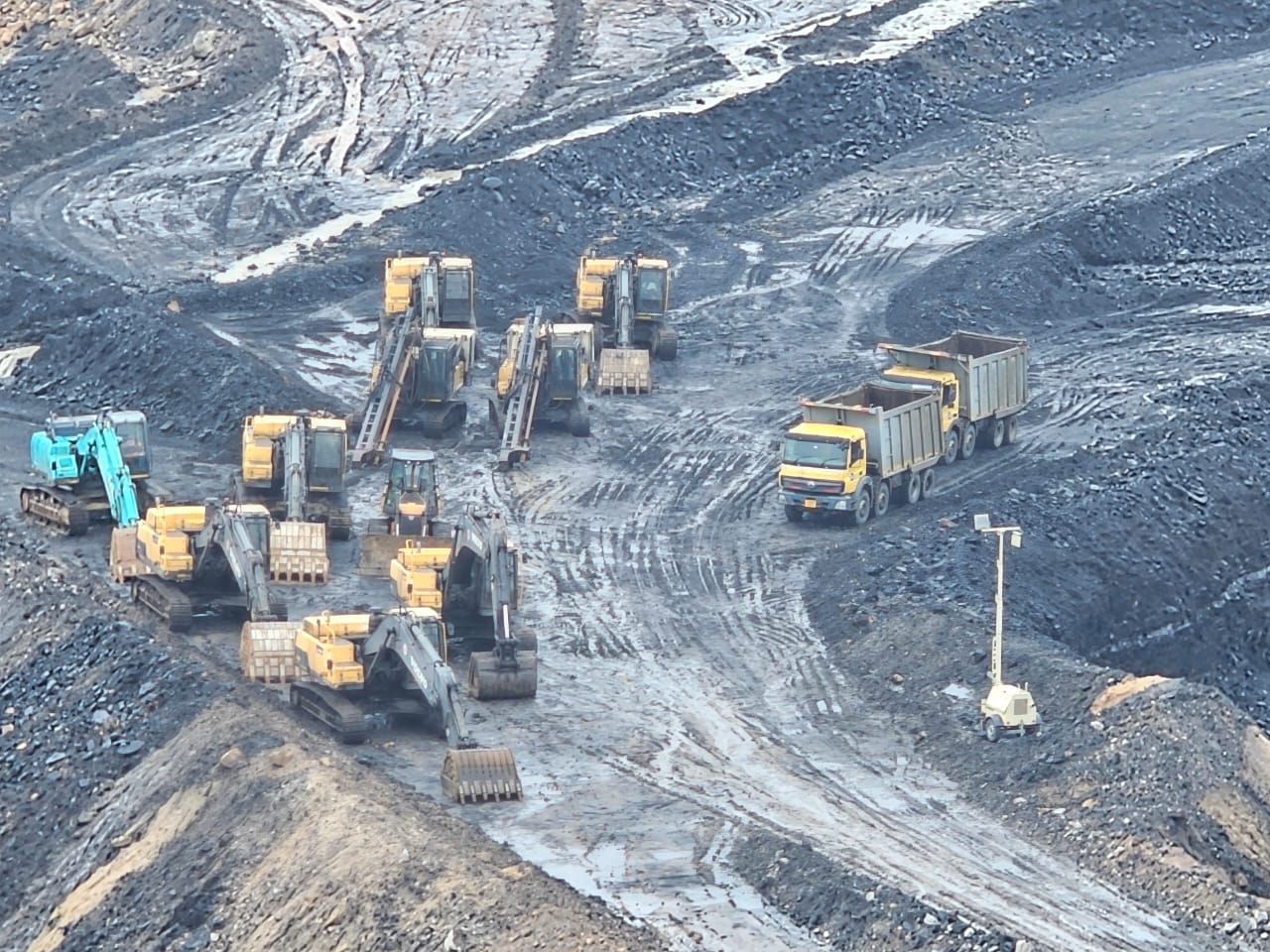
When this mining client first came to GreyRadius, the case for change looked obvious from the outside. Open conveyors. Exposed transfer points. Coal loss at every junction. Dust drifting beyond site boundaries. A regulatory environment that was tightening, not easing. On paper, the solution was straightforward: move to enclosed transport, cut the losses, and get ahead of compliance.
It took one site visit to understand why no one had done it yet.
Coal mining operations depend heavily on large-scale material movement – from mine pits to processing units, storage yards, and end consumers. For most operations, this movement runs on open conveyor systems, truck haulage across key sections, and transfer points that have been maintained and modified over many years. The system works, in the sense that coal moves and product ships. But efficiency is a different question.
Engagement at a glance
Sector
Coal Mining · Industrials
Service
Feasibility & TEV · Market Entry Execution
Focus
Enclosed transport transition, ROI validation, execution roadmap
Geography
South Asia
The real obstacles were not technical – they were execution-related.
A system too integrated to change easily
The existing open conveyor setup, for all its inefficiencies, was deeply woven into daily operations. Shift schedules, maintenance rhythms, vendor contracts, plant sequencing – everything had been built around it over years. Any major infrastructure change carried real risks: production disruption, cost overruns, integration failures between old and new systems.
ROI justification that had to hold up in practice
Capital investment requirements for enclosed systems were significant. That made ROI justification critical – and the justification had to hold up not in theory but in practice, under the specific conditions of this site. Previous feasibility studies gave confident projections on efficiency improvements, but the numbers had been calculated without accounting for transition costs, operational disruption, or the specific material characteristics of this site.
Three converging pressures, one narrow window
Leadership was under pressure from three directions at once: ongoing material losses larger than the reports suggested, a regulatory environment moving toward stricter fugitive dust standards, and a capital planning cycle that had opened a window for investment. The question wasn't whether to change – it was whether this window could be used effectively before it closed.
Execution questions require different answers than feasibility questions.
On-site material loss quantification
Rather than relying on existing reports, the team conducted a direct measurement exercise at key transfer points. Loss at each junction was quantified and reconciled against financial records. The actual loss rate was materially higher than the operational reports indicated – a finding that fundamentally changed the ROI case.
Transition risk mapping
GreyRadius mapped every operational dependency tied to the existing system – maintenance contracts, shift structures, vendor relationships, plant sequencing. Each dependency was stress-tested against a phased transition scenario to identify where disruption risk was highest and where mitigation was practical.
Phased capital deployment model
Rather than a single large capital commitment, the team designed a phased transition that started with the highest-loss transfer points. Each phase was designed to be self-funding from savings generated by the preceding phase – converting a large capital risk into a sequenced, evidence-backed programme.
Regulatory alignment roadmap
The transition timeline was mapped against anticipated regulatory milestones, ensuring the client would be compliant ahead of new fugitive dust standards rather than scrambling to comply after they took effect. This also provided a documented basis for any regulatory conversations with site authorities.
Efficiency improved. Losses quantified and addressed. Compliance secured ahead of regulation.
Material Loss
Quantified & recovered
Actual loss rate identified as materially higher than reported; recovery roadmap built into transition phases
Capital Risk
Phased, self-funding
Large single capital commitment replaced with phased programme where each phase is funded by savings from the previous
Compliance
Ahead of regulation
Transition timeline mapped to regulatory milestones; client positioned ahead of incoming fugitive dust standards
"The previous assessments gave us numbers. GreyRadius gave us a plan we could actually execute without shutting down the mine."
– Operations Director, Mining Client
Similar challenge on the table?
Talk to the partner who led this engagement. 30 minutes, no deck, no pitch.