GTM Execution for a Defence-Linked Drone Startup
A breakthrough drone product. Zero institutional relationships. Defence procurement doesn't reward the best technology – it rewards those who understand the system. GreyRadius built the GTM that worked inside it.
The Situation
Strong technology. No institutional traction. The product was ready – the GTM wasn't.
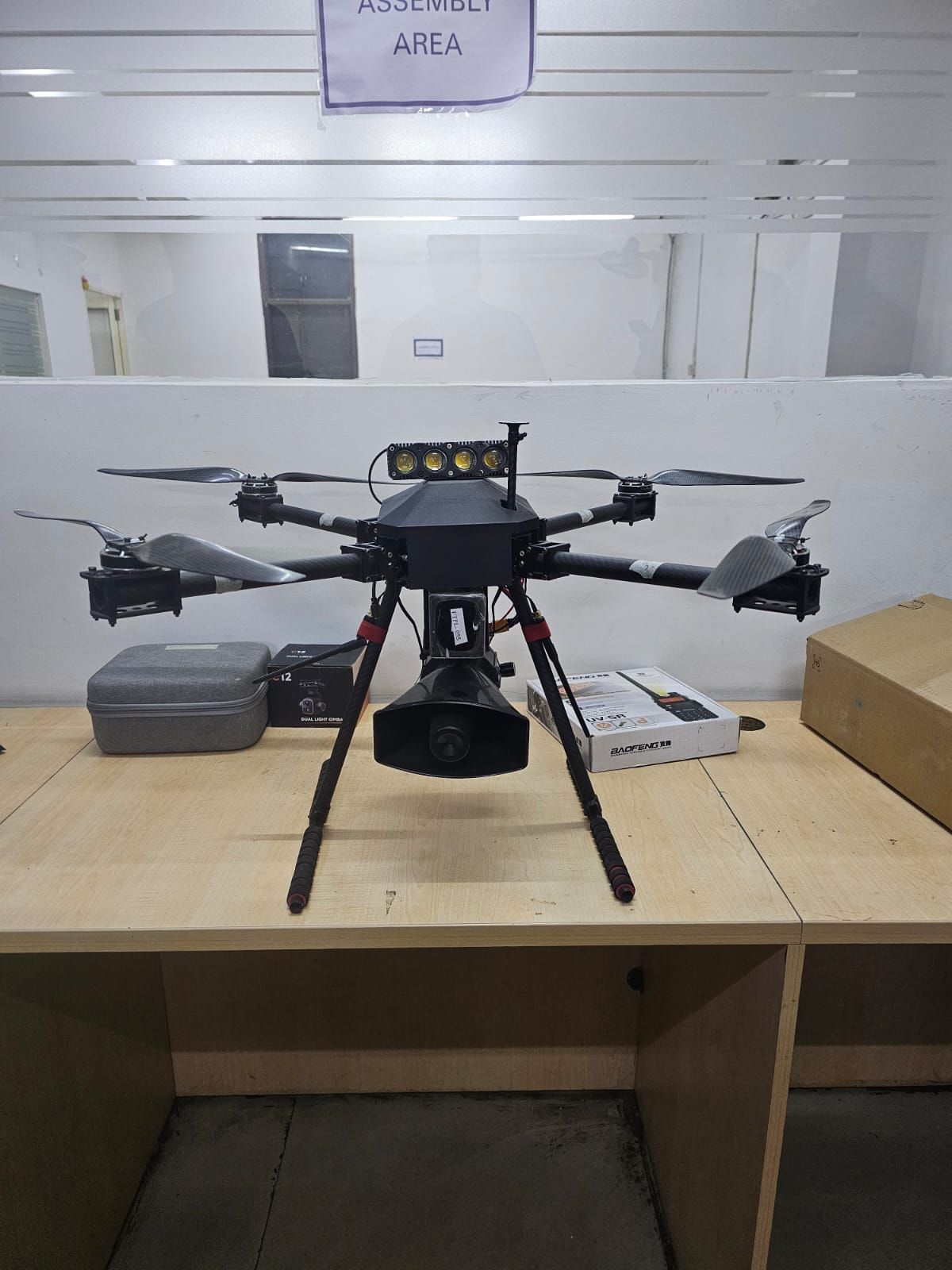
A defence-linked drone startup had developed a technically advanced platform with real capability advantages over incumbent solutions. The founders had deep engineering expertise and had completed successful proof-of-concept demonstrations. What they didn't have was a working GTM – no structured understanding of how defence procurement actually worked, which verticals were most accessible, or how to convert demonstration interest into pilot contracts.
The Indian defence procurement landscape is notoriously complex: different buying commands have different processes, technical advisors carry influence that far exceeds their formal titles, and most startups mistake initial meetings for actual pipeline. The founders needed a GTM partner who could map the real decision structure and help them build relationships at the right levels.
GreyRadius was engaged for a 6-month GTM Execution-as-a-Service sprint – covering vertical prioritisation, procurement chain mapping, buyer contact development, and pipeline building.
Engagement at a glance
Client
Defence-linked drone startup, India
Service
GTM Execution-as-a-Service · Market Entry Execution
Duration
6-month execution sprint
Pipeline built
₹50 Cr institutional pilot pipeline
Defence procurement is an influence network, not a tender process. Getting the entry point wrong wastes years.
Opaque buying structure
Indian defence buying commands have formal procurement structures that are documented – and informal influence networks that aren't. Technical advisors, user commands, and procurement officers play very different roles in the decision. A startup pitching to the wrong level wastes months on meetings that lead nowhere.
Vertical prioritisation without data
Five potential verticals had been identified internally: army surveillance, border security, coastal patrol, disaster response, and infrastructure inspection. Without structured analysis of procurement readiness, budget cycles, and competitor presence in each vertical, the founders had no basis for prioritisation beyond gut instinct.
Pilot interest vs. contract pipeline
Initial demonstrations had generated genuine enthusiasm but no formal pipeline. The team needed to distinguish between buyers who would eventually convert and those who were using the demonstrations for internal intelligence. Building pipeline required a different set of conversations – at different levels – than running demonstrations.
Vertical prioritisation. Procurement chain mapping. Pipeline built through the right relationships at the right levels.
Vertical assessment & prioritisation
Assessed all five target verticals across procurement readiness, budget cycle alignment, competitive intensity, and product fit. Army surveillance and border security emerged as priority verticals for the first 6 months – with coastal patrol as a secondary focus and the remaining two deferred for phase two. This gave the founders a disciplined focus rather than spreading efforts across all five simultaneously.
Procurement chain mapping
Mapped the full procurement influence structure for each priority vertical – identifying technical advisors, user commands, procurement officers, and the specific decision gates in each buying process. Produced a visual influence map for each vertical showing who matters at each stage and what they need to hear to advance the process.
Buyer contact development
Facilitated introductions to 8 institutional buyer contacts across priority verticals – validated individuals with actual budget authority or procurement influence, not just interest. Each introduction was sequenced based on the procurement chain mapping, ensuring the right conversations happened in the right order.
Pipeline development & pilot structuring
Supported the founders through the conversation-to-pilot structuring process – including how to frame pilot proposals in terms that aligned with institutional procurement language, how to set success metrics that would enable progression to larger contracts, and how to maintain momentum across the typically long evaluation cycles in defence procurement.
"Most drone startups fail not because their technology is bad – but because they don't know how to navigate defence procurement. GreyRadius built us a GTM that actually worked inside the system."
Five verticals mapped. Eight contacts. ₹50 Cr pipeline. A working GTM – in 6 months.
Verticals
5 mapped, 2 prioritised
Structured prioritisation replaced gut-feel with procurement readiness data
Contacts
8 institutional contacts
Validated buyer-level contacts – not polite meetings, actual procurement influence
Pipeline
₹50 Cr pilot pipeline
Structured pilot proposals with defined success metrics and progression pathways
Duration
6-month sprint
From GTM design to active pipeline within a single engagement period
Visual influence maps for each priority vertical – showing decision makers, advisors, procurement gates, and the right sequencing for engagement.
Scored assessment of all five verticals across four dimensions, with a recommended 6-month focus and a 12-month expansion plan.
Proposals structured in institutional procurement language – with success metrics, evaluation criteria, and progression pathways that reduce the gap between demonstration and contract.
Documented relationship development plan for each of the 8 institutional contacts – with engagement cadence, key messages by stakeholder type, and decision timeline estimates.
From the engagement
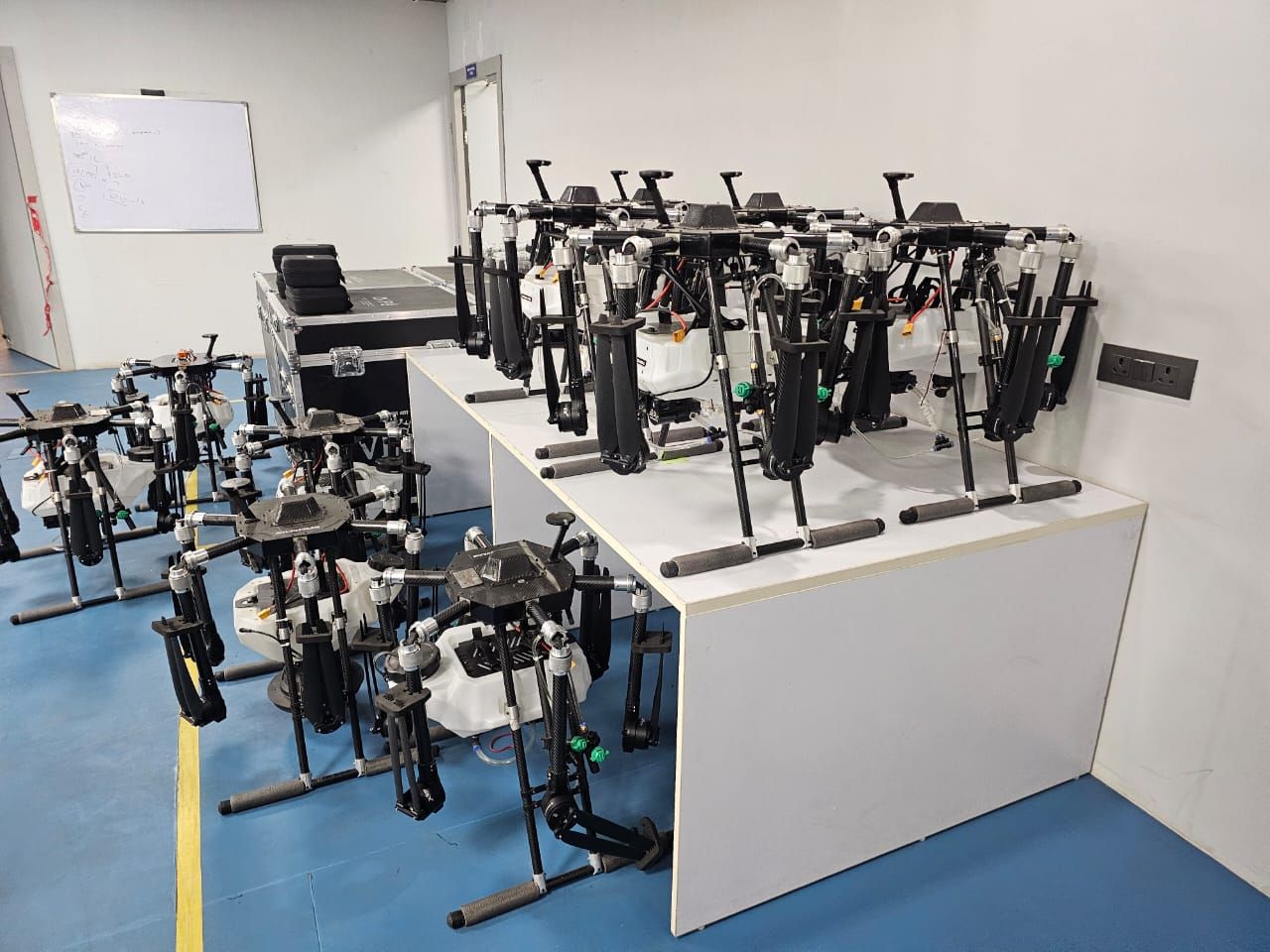
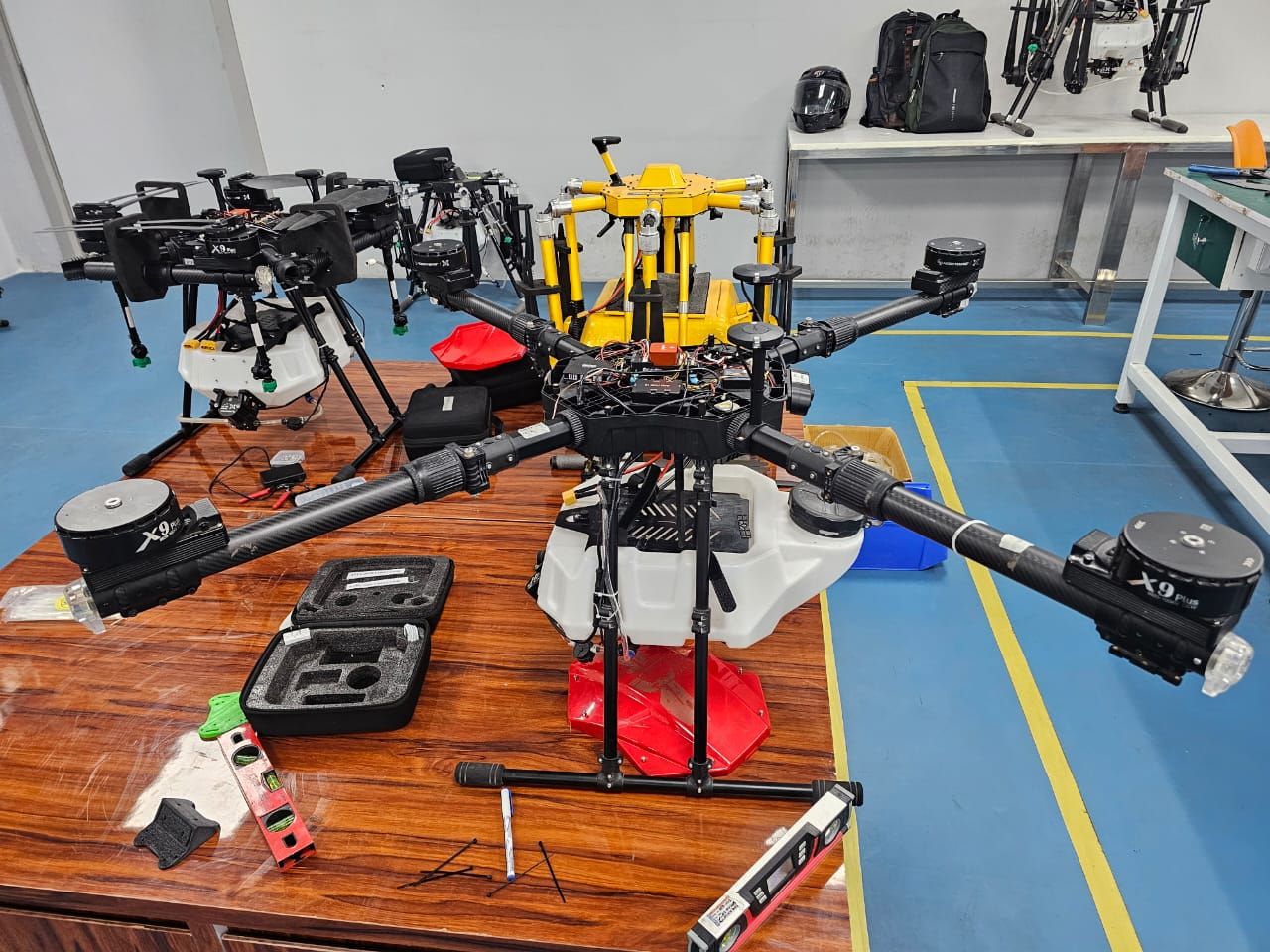
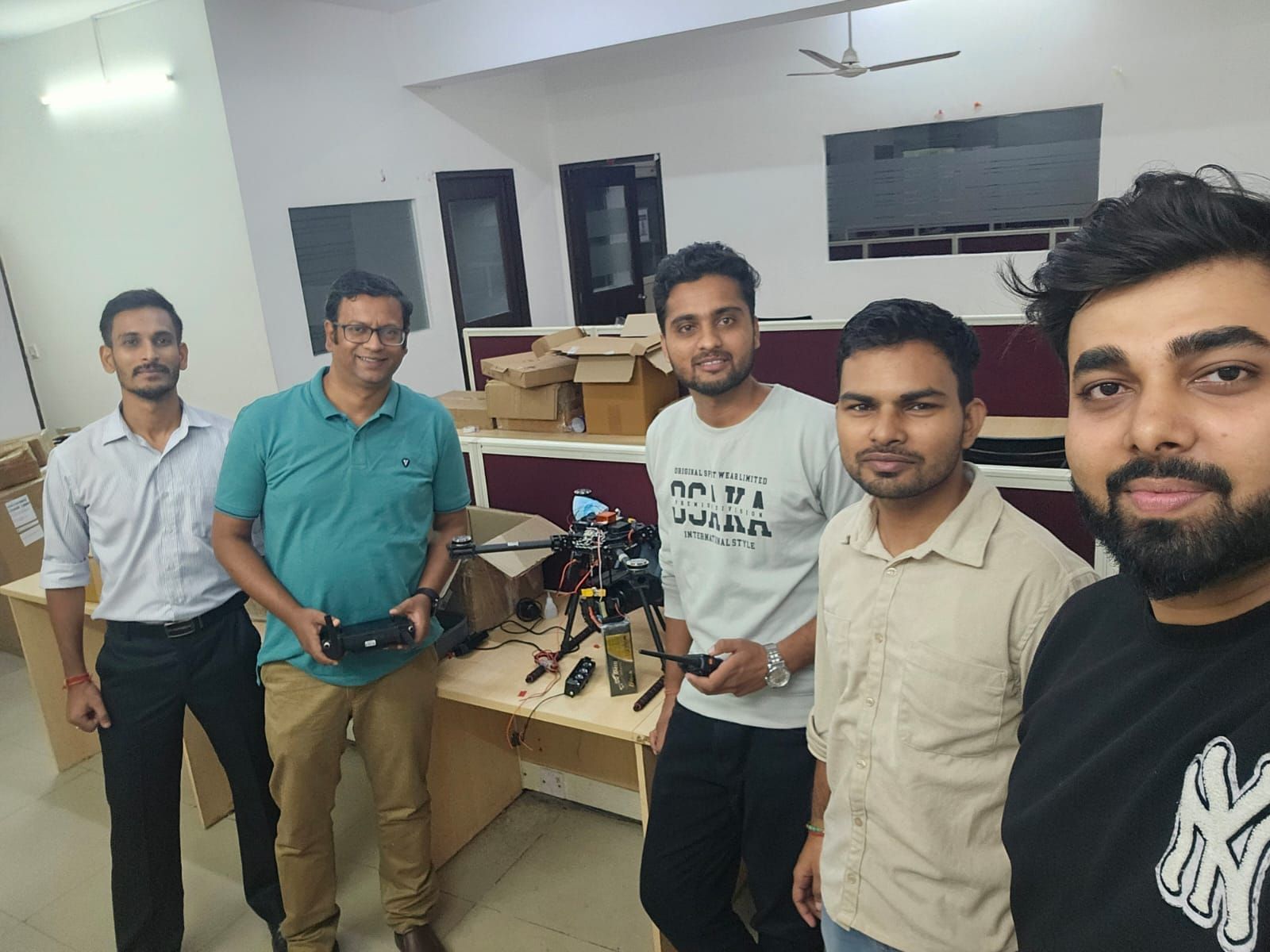
We had a breakthrough product and zero institutional relationships. GreyRadius mapped the procurement chain, identified the right entry points, and helped us build a pipeline we could actually close.
"In defence drone procurement, the real buyer is rarely the person you first meet. Understanding the influence map – technical advisors, procurement officers, user commands – and sequencing your engagement correctly determines whether you get a pilot or a polite rejection."
Launching a deep-tech or defence-linked product and need a working GTM?
We've helped technology startups navigate complex institutional procurement landscapes in India and internationally. Talk to us.